

 Best practices from Colorado Parks and Wildlife
By Bridget Kochel
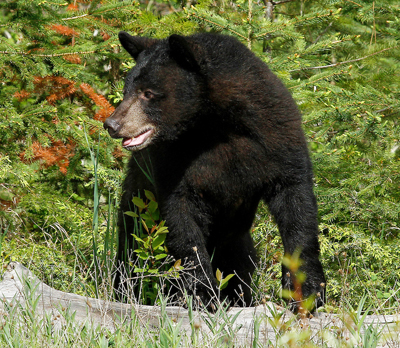
Colorado is home to a large population of black bears, with numbers estimated at 17,000-20,000 in the state. As humans venture into Colorado’s great outdoors to spend quality time in nature, it is important to remember that bears and humans can and do live in harmony in our shared outdoor spaces when humans take proactive steps to avoid conflicts with bears.
Wildlife experts agree that bears are not naturally aggressive towards humans; in fact, most bears are naturally wary of people. Most conflicts between people and bears can be traced to easily accessible human food, trash, or other attractants with strong odors as a bear’s natural drive to eat can overcome its fear of humans. When bears become too comfortable around humans, they can destroy property or even become a threat to human safety.
“The majority of the time, bears are not after you, they are after food,” said Area Wildlife Manager Mark Lamb. “Understanding bear behaviors and being aware of what steps you can take to avoid bears from approaching you is an important part of recreating responsibly in bear country. Being smart about how you store your food, using bear boxes and bear-resistant canisters, and locking your property keeps you safe and can save a bear’s life.”
Colorado Parks and Wildlife recommend the following best practices to minimize encounters with bears:
CAMPING
When camping in bear country, the easiest way to avoid bears is to ensure that nothing in your campsite has a smell that will attract them.
Support authors and subscribe to content
Subscribe to read the entire article.


